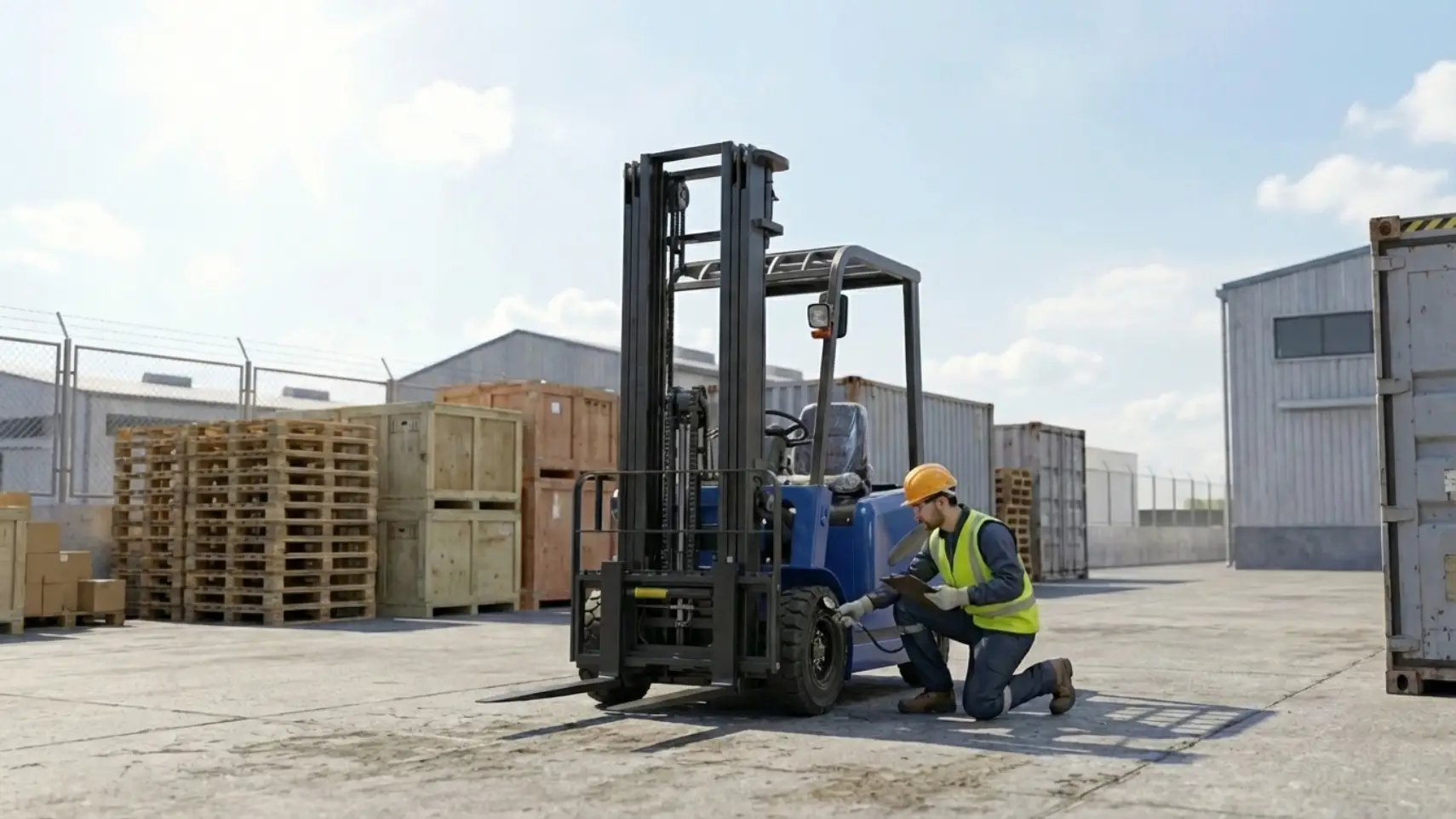
Forklift Safety Tips Every Operator Should Know
Forklift safety is one of the most important aspects of operating material handling equipment. Forklifts are powerful machines capable of lifting and transporting heavy loads, but if they are used incorrectly, they can cause serious accidents and injuries. Every year, workplace incidents involving forklifts lead to property damage, equipment failure, and worker injuries. Many of these accidents can be prevented through proper training, regular inspections, and safe operating practices.
Safety awareness is not only the responsibility of forklift operators but also of supervisors and employers. Creating a safe working environment helps protect workers, prevent costly damages, and improve overall productivity. When operators follow safety guidelines, they reduce risks and ensure smooth daily operations.
In this blog, we will explore essential forklift safety tips that every operator should know. By following these guidelines, workplaces can maintain safe operations and reduce accident risks.
Why Forklift Safety Is Important
Forklifts are commonly used in warehouses , factories, construction sites, and distribution centers. Because they handle heavy loads and operate in busy environments, accidents can happen if safety rules are ignored.
Common Forklift Accidents
Some of the most common forklift-related accidents include:
- Forklift tip-overs
- Collisions with workers or objects
- Falling loads
- Equipment failure
- Improper handling of heavy materials
These accidents can lead to serious injuries, equipment damage, and production delays. By practicing safe forklift operation, businesses can protect their workers and maintain efficient workflows.
Always Wear Safety Gear
One of the most basic but important forklift safety tips is wearing proper protective equipment. Safety gear protects operators from injuries caused by falling objects, sharp materials, or accidental contact with machinery.
Essential Safety Equipment
Forklift operators should wear:
- Safety helmets – Protect the head from falling objects
- Gloves – Improve grip and protect hands
- Steel-toe boots – Protect feet from heavy loads
- High-visibility jackets – Make operators visible to others
- Safety glasses – Protect eyes from dust and debris
Wearing safety gear reduces the risk of injuries and helps operators perform their tasks safely.
Inspect the Forklift Before Use
Daily forklift inspections are essential to ensure the machine is working properly. Before starting work, operators should check the forklift carefully to identify any problems.
Routine inspections help prevent equipment failure and reduce the risk of accidents caused by mechanical issues.
Parts to Check Before Operating
Operators should inspect:
- Tires – Check for damage or low pressure
- Brakes – Ensure proper stopping ability
- Horn – Verify it is working to warn others
- Hydraulic system – Check for leaks or low fluid levels
- Lights – Ensure visibility in low-light areas
- Steering controls – Confirm smooth movement
- Forks – Look for cracks or bending
If any problems are found during inspection, the forklift should not be used until repairs are completed.
Daily inspections improve safety and extend the lifespan of the equipment.
Maintain Proper Load Balance
Maintaining proper load balance is critical when operating a forklift. Uneven or overloaded materials can cause the forklift to tip over, leading to serious accidents.
How to Maintain Load Stability
Operators should:
- Place loads evenly on the forks
- Keep heavy items close to the mast
- Avoid lifting loads that exceed capacity
- Tilt the mast slightly backward when moving
- Secure unstable loads before lifting
Balanced loads improve stability and reduce the risk of tipping.
Understanding Load Capacity
Every forklift has a maximum load capacity. Operators should always check the forklift’s capacity plate to ensure the load weight does not exceed limits. Overloading is one of the leading causes of forklift accidents.
Drive at Safe Speeds
Driving too fast is a major cause of forklift accidents. Forklifts are heavy machines, and sudden movements can cause loads to shift or fall.
Safe Driving Practices
Operators should:
- Drive at controlled speeds
- Avoid sudden turns
- Slow down near corners
- Keep a safe distance from pedestrians
- Use the horn at intersections
- Watch for obstacles on the floor
Maintaining safe speeds reduces accident risks and protects workers in the surrounding area.
Never Lift People
Forklifts are designed to lift materials, not people. Using forklifts to lift workers without proper safety equipment is extremely dangerous.
Safe Alternatives for Lifting Workers
If workers need to reach high areas, they should use the following:
- Approved lifting platforms
- Safety cages attached to forklifts
- Proper ladders or scaffolding
These tools provide better stability and reduce the risk of falls.
Keep Clear Visibility While Driving
Good visibility is essential for safe forklift operation. Operators must always see where they are driving and be aware of their surroundings.
Tips to Maintain Visibility
- Keep loads low while moving
- Drive in reverse if the load blocks forward view
- Use mirrors when available
- Ensure adequate lighting in the workplace
- Keep windows and mirrors clean
Clear visibility helps prevent collisions with workers or objects.
Avoid Overloading the Forklift
Overloading a forklift is extremely dangerous. Carrying loads beyond the recommended capacity can cause mechanical failure and tipping.
How to Prevent Overloading
Operators should:
- Check load weight before lifting
- Follow manufacturer load limits
- Use forklifts designed for heavy loads
- Distribute weight evenly
Following load limits ensures safe forklift operation.
Use Proper Parking Procedures
Proper parking is another important safety step that is often overlooked. Incorrect parking can create hazards for other workers.
Safe Forklift Parking Steps
When parking a forklift:
- Lower the forks completely to the ground
- Turn off the engine
- Engage the parking brake
- Remove the key
- Park in designated areas
These simple steps help prevent accidental movement.
Maintain a Safe Work Environment
Forklift safety is not only about machine operation but also about maintaining a safe workplace environment.
Ways to Improve Workplace Safety
- Keep floors clean and dry
- Remove obstacles from aisles
- Mark pedestrian walkways
- Install warning signs
- Provide proper lighting
A clean and organized workspace reduces the risk of accidents.
Provide Proper Forklift Training
Training is one of the most effective ways to prevent forklift accidents. Operators should receive proper instruction before operating forklifts.
Training Should Include
- Forklift controls and operation
- Safety rules and regulations
- Emergency procedures
- Load handling techniques
- Maintenance basics
Regular refresher training ensures operators stay updated on safety practices.
Emergency Preparedness
Even with safety precautions, emergencies can still occur. Workers should know how to respond quickly and safely.
Emergency Safety Tips
- Know emergency exit locations
- Report accidents immediately
- Keep fire extinguishers accessible
- Follow workplace emergency procedures
- Stop operating equipment if unsafe conditions occur
Preparedness reduces injury risks during unexpected situations.
Benefits of Following Forklift Safety Rules
Following forklift safety guidelines provides many benefits for businesses and workers.
Key Benefits
- Reduced workplace accidents
- Improved worker safety
- Lower repair and maintenance costs
- Increased productivity
- Longer equipment lifespan
Safe operations create a more reliable and efficient work environment.
Common Mistakes to Avoid
Many forklift accidents happen due to simple mistakes. Avoiding these errors can greatly improve safety.
Mistakes to Watch Out For
-
- Ignoring daily inspections
- Driving too fast
- Overloading the forklift
- Carrying unstable loads
- Not wearing safety gear
- Operating without proper training
Being aware of these mistakes helps operators prevent accidents.
Forklift safety is essential for protecting workers, equipment, and workplace productivity. By following proper safety practices such as wearing protective gear, performing daily inspections, maintaining load balance, and driving carefully, operators can significantly reduce accident risks.
Safe forklift operation not only prevents injuries but also improves efficiency and reduces costly equipment damage. Employers should ensure that all operators receive proper training and follow safety guidelines at all times.
By making safety a priority, businesses can create a secure working environment where both workers and equipment are protected. Safe forklift practices lead to fewer accidents, improved productivity, and better overall performance in the long term.
Comments
Add a Review Cancel Reply
Your email address will not be published. Required fields are marked*


kara
Thank for infoo
ROKA
hi