
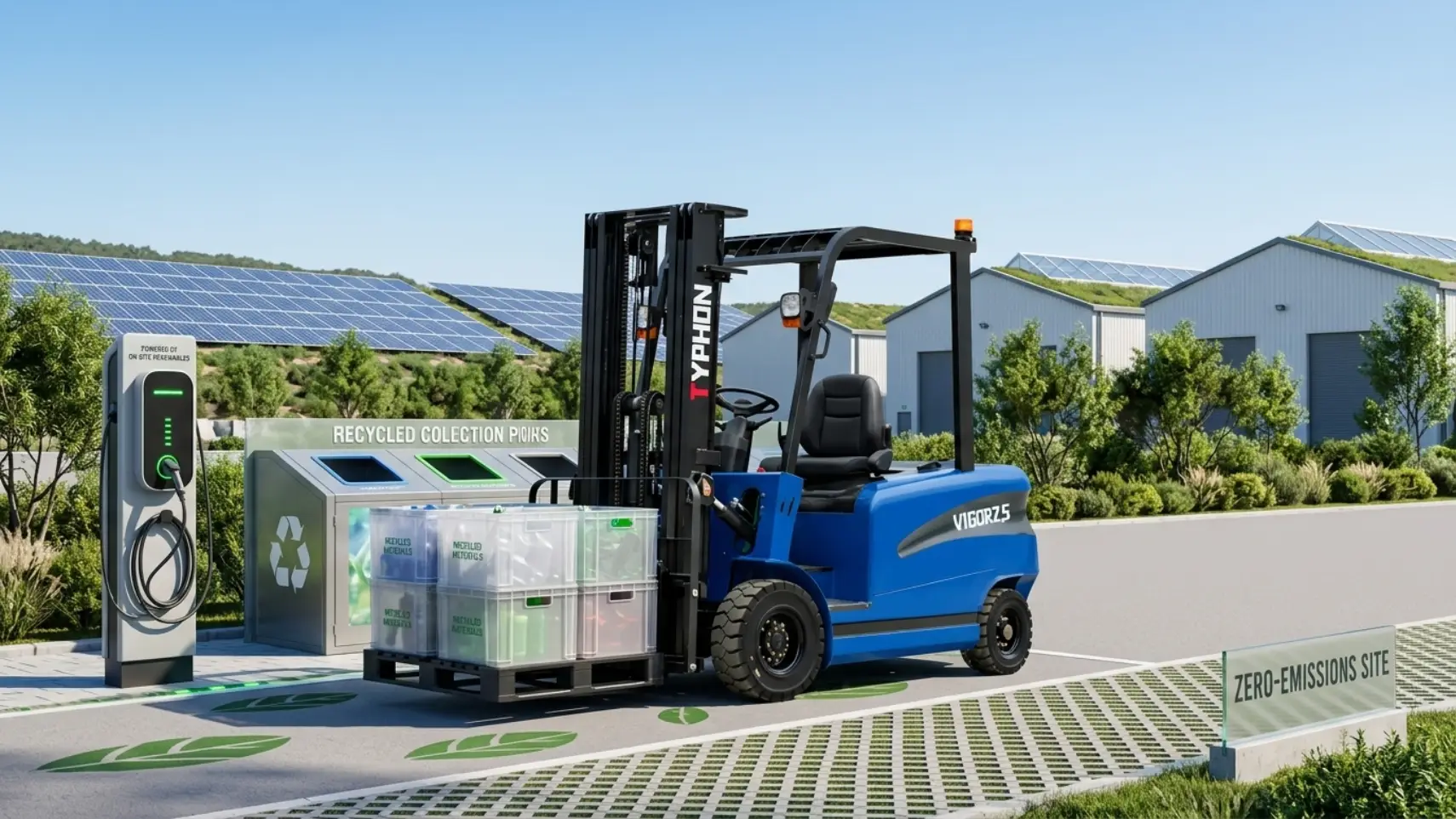
The Environmental Impact of Electric Forklifts
Sustainability is no longer just a corporate buzzword. It is a fundamental requirement for modern industrial success. Companies across the globe are heavily scrutinizing their supply chains to find meaningful ways to reduce their environmental footprint. Upgrading material handling equipment is one of the most effective ways to achieve these green initiatives.
This post explores the profound environmental impact of electric forklifts. You will learn how switching from internal combustion engines to battery-powered equipment transforms your operational sustainability. We will cover the reduction of carbon emissions, improvements in energy efficiency, and the undeniable benefits of minimizing workplace noise pollution.
By the end of this guide, you will understand exactly why battery-powered equipment outshines traditional models. Finally, you will find actionable steps to help your business adopt these eco-friendly practices immediately.
Slashing Carbon Emissions in the Warehouse
Warehouses heavily rely on constant movement to keep supply chains flowing. Historically, this movement relied on machines that pumped harmful gases into the atmosphere. Transitioning away from fossil fuels is the first step toward a cleaner operation.
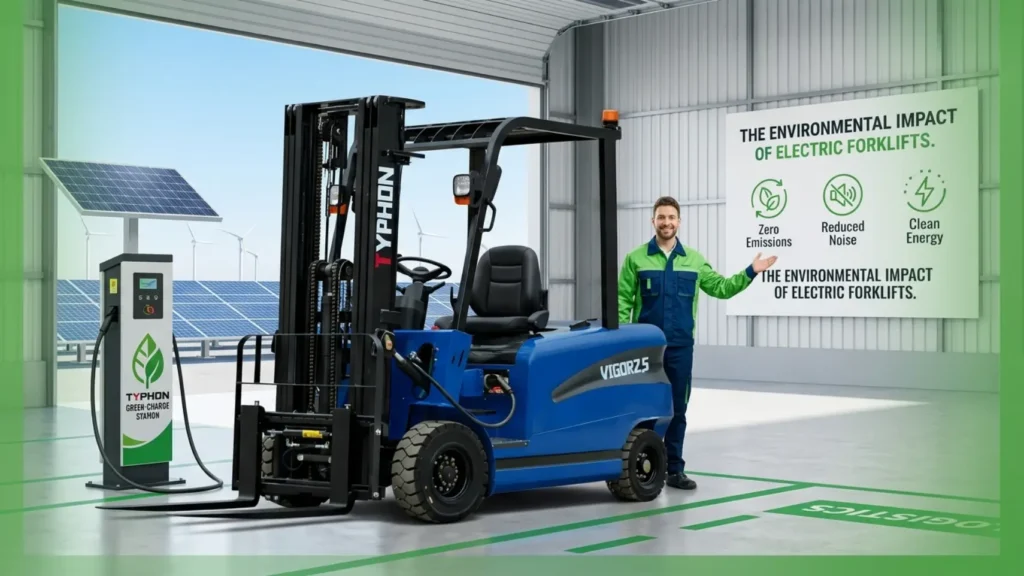
The Problem with Traditional Forklifts
Diesel and liquid propane forklifts generate significant greenhouse gases during everyday operation. Every hour a diesel forklift runs, it emits carbon dioxide, carbon monoxide, and harmful particulate matter. These emissions severely degrade local air quality and contribute directly to global climate change.
Furthermore, operating these machines indoors requires massive, energy-intensive ventilation systems just to keep the air breathable for your workforce. This reliance on heavy ventilation creates a secondary layer of energy waste. The environmental cost of running an internal combustion fleet compounds every single day.
The Zero-Emission Solution
Electric forklifts completely eliminate tailpipe emissions. When your operators drive an electric lift, they release zero carbon dioxide or harmful exhaust fumes into your facility. This immediate reduction in localized pollution protects your workers and drastically shrinks your company’s carbon footprint.
By transitioning a single diesel forklift to an electric model, a facility can prevent thousands of pounds of carbon emissions from entering the atmosphere each year. This clean operation allows you to turn off those massive ventilation fans, saving even more power. It is a direct, measurable improvement to your local and global environment.
Maximizing Energy Efficiency
Beyond tailpipe emissions, we must examine how efficiently these machines use power. Electric forklifts convert energy into movement far better than their internal combustion counterparts. They maximize every unit of electricity they consume.
Advanced Battery Technologies
Modern electric forklifts https://www.baufarbattery.com/ utilize highly advanced power storage, specifically lithium-ion and high-capacity lead-acid batteries. Lithium-ion batteries offer exceptional energy retention and charge rapidly. They do not suffer from the energy loss common in older battery designs.
This means the electricity you pull from the grid goes directly into productive lifting and moving, rather than dissipating as heat. These batteries also boast exceptionally long lifespans, meaning you replace them far less frequently than traditional power sources. Fewer replacements translate directly to less industrial waste.
Lower Energy Consumption Rates
Internal combustion engines waste a massive amount of energy through heat and friction. Electric motors are inherently more streamlined and efficient. They deliver instant torque directly to the wheels and hydraulic systems without the mechanical lag of a gas engine.
Consequently, an electric forklift requires significantly less raw energy to perform the exact same lifting tasks as a propane or diesel truck. Many electric models also feature regenerative braking systems. This technology captures the kinetic energy normally lost during braking and feeds it back into the battery, extending your operational runtime even further.
Minimizing Noise Pollution for a Healthier Workspace
Environmental impact extends beyond the air we breathe. It also includes the physical environment your employees experience every day. Noise pollution is a serious, often overlooked environmental hazard in industrial settings.
The Hidden Danger of Industrial Noise
Traditional forklifts are incredibly loud. A busy warehouse operating several diesel trucks simultaneously creates a chaotic and hazardous soundscape. Chronic exposure to high noise levels leads to severe hearing damage and increases worker stress.
Constant engine roar also disrupts clear communication between team members. This type of noise pollution degrades the workplace environment and increases the likelihood of dangerous accidents. Protecting your workers from this invisible hazard is a critical component of a sustainable business model.
Silent Operation Benefits
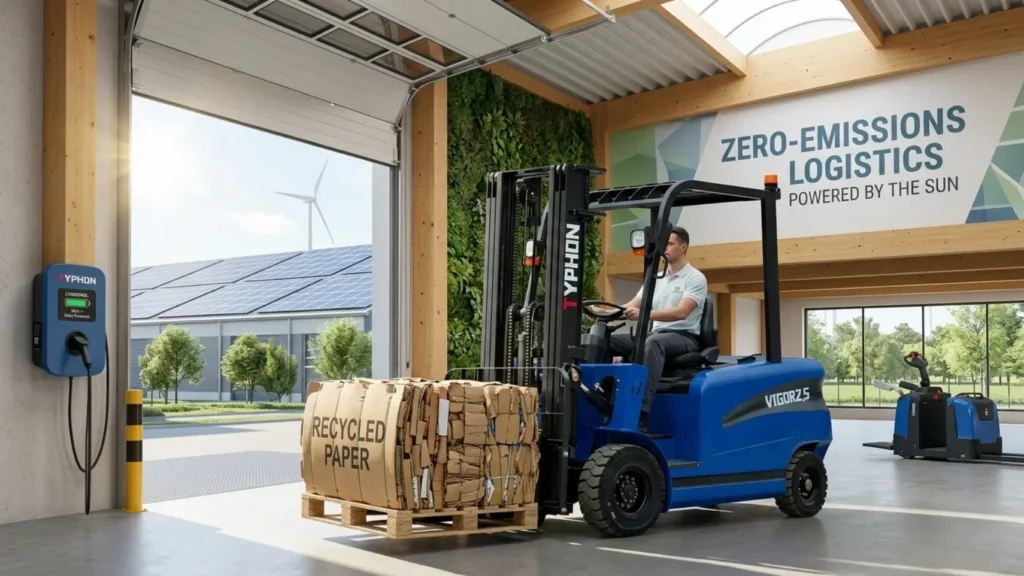
Electric forklifts operate with remarkable quietness. The electric motor hums softly, and the loudest sounds typically come from the tires or mandatory safety alarms. Removing engine roar from your warehouse instantly creates a safer, calmer, and more focused work environment.
Reduced noise pollution allows operators to hear verbal instructions clearly and remain acutely aware of their surroundings. This quiet operation also benefits your immediate community. If your facility operates near residential areas or runs night shifts, electric forklifts prevent noise complaints and improve local community relations.
Comparing Electric to Diesel and Propane Models
To fully grasp the environmental benefits, we must compare electric machines directly against traditional models over their entire lifespan. The differences extend far beyond daily fuel consumption.
Lifetime Carbon Footprint
Critics sometimes point to the emissions generated during electricity production to power electric forklifts. However, studies consistently show that electric forklifts have a vastly lower lifetime carbon footprint than diesel or propane models.
Even when charged on a standard electrical grid, the high efficiency of the electric motor easily offsets the emissions from power generation. As utility companies continue to shift toward renewable energy sources, the carbon footprint of your electric fleet automatically shrinks over time. A diesel forklift, by contrast, will only ever become more polluting as its engine ages and degrades.
Hazardous Waste Reduction
Internal combustion forklifts require constant maintenance involving hazardous fluids. You must regularly change engine oil, transmission fluid, and engine coolant to keep them running. Disposing of these toxic liquids creates a significant environmental burden and risks soil or water contamination.
Electric forklifts eliminate the need for these hazardous engine fluids. They have far fewer moving parts and require minimal lubrication. This dramatically reduces the chemical waste your facility produces each year. Additionally, modern battery recycling programs ensure that up to 99% of lead-acid batteries are safely recycled and repurposed.
Actionable Insights for Eco-Friendly Warehouses
Transitioning to a sustainable fleet requires careful planning and execution. Here are actionable steps your business can take to integrate electric forklifts successfully and maximize their environmental benefits.
Assess Your Current Fleet
Start by evaluating the age, usage hours, and fuel consumption of your existing internal combustion forklifts. Identify the machines that run the most hours. Replacing these high-use vehicles will yield the highest immediate environmental impact.
Calculate your current annual fuel costs and emissions to establish a clear baseline. This operational data will help you justify the initial investment in electric equipment to your stakeholders. A detailed assessment ensures you replace the right equipment at the right time.
Upgrade Your Charging Infrastructure
An electric fleet needs a reliable and efficient charging setup to function properly. Assess your facility’s electrical capacity to ensure it can handle multiple chargers simultaneously. If you opt for lithium-ion technology, install opportunity charging stations near break areas.
This allows operators to top off the batteries during shifts without removing them from the trucks. Consider partnering with your local utility provider to explore off-peak charging rates. Charging your equipment at night lowers your energy costs and reduces peak strain on the local power grid.
Invest in Renewable Energy Sources
To truly maximize the environmental impact of electric forklifts, look at how you source your facility’s electricity. Consider installing solar panels on your warehouse roof to generate clean power on-site.
If on-site generation is not feasible, speak with your utility provider about purchasing green energy credits. Powering your electric fleet with 100% renewable energy creates a completely zero-emission material handling operation. This positions your company as a true leader in corporate sustainability.
Train Your Operators
New technology requires updated training protocols to ensure optimal efficiency. Teach your operators how to drive electric forklifts properly to maximize battery life. Simple habits, like avoiding harsh braking and accelerating smoothly, conserve energy and extend the runtime of the machine.
Educate your team on proper battery maintenance and charging safety. When operators treat the equipment with care, you extend the lifespan of the forklifts and reduce the need for replacement parts. Well-trained operators are the key to a truly sustainable warehouse.
Commit to a Sustainable Future
Embracing electric material handling equipment is a powerful step toward a greener, more sustainable future. By eliminating tailpipe emissions, maximizing energy efficiency, and reducing noise pollution, you protect both the environment and your workforce.
The transition from diesel or propane to electric power offers undeniable ecological and financial rewards. Start evaluating your warehouse operations today and plan your fleet upgrade with confidence. Partner with a reliable equipment provider to find the right electric forklifts that meet your heavy-duty lifting needs while supporting your corporate sustainability goals.(
Comments
Add a Review
Your email address will not be published. Required fields are marked*


chou chou
i live it
Shandel Zehra
I like forklifts
rr
Forklifts