
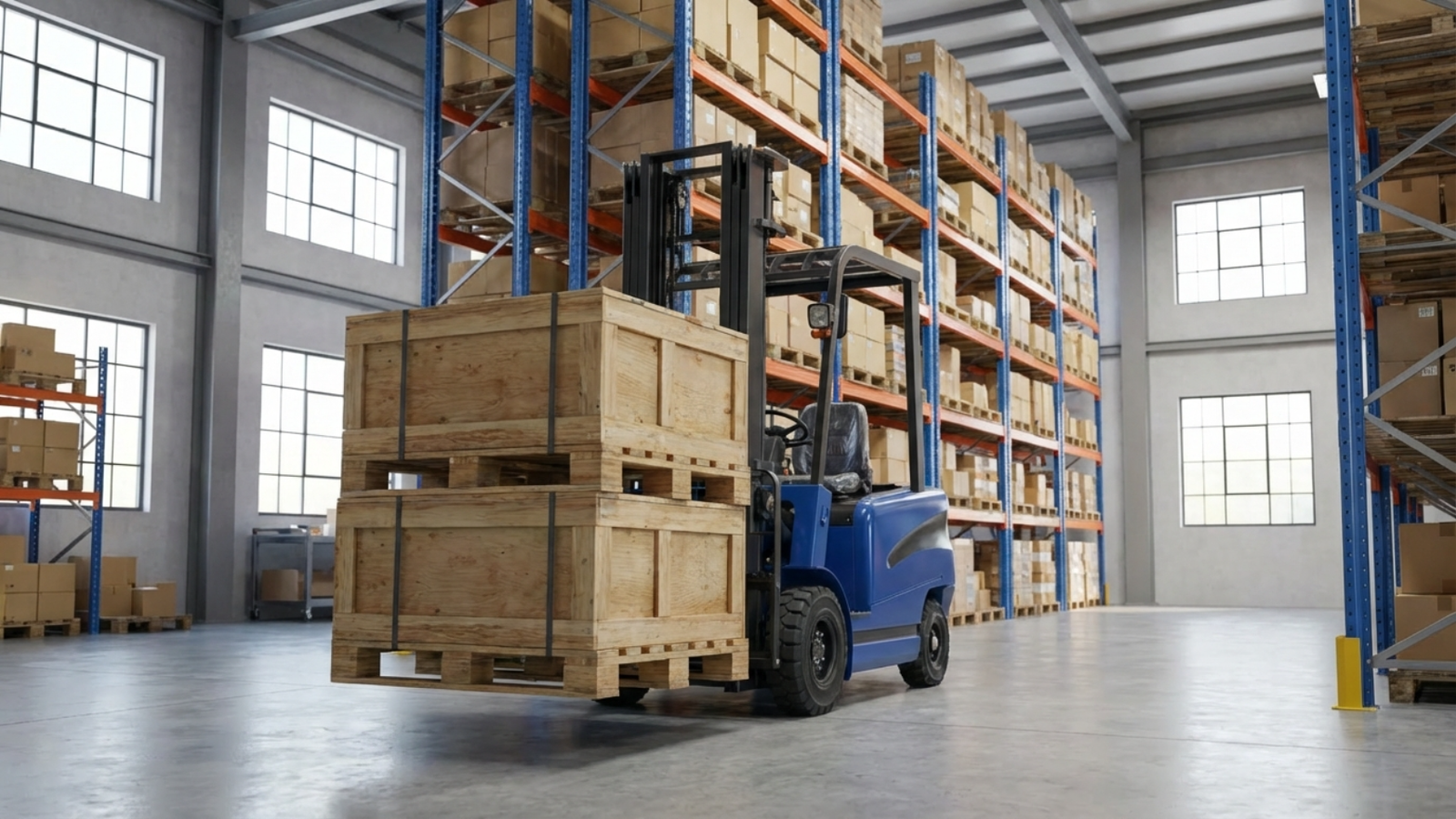
What Is a Forklift and How Does It Work?
Forklifts are one of the most important machines used in warehouses, factories, logistics centers, and construction sites. These powerful industrial vehicles make it possible to lift, carry, and move heavy materials safely and efficiently. Without forklifts, many industries would struggle to handle large loads quickly, and productivity would be significantly reduced.
In today’s fast-moving industries, time and safety are critical. Businesses rely on forklifts to transport goods from one location to another without causing damage to products or risking worker injuries. From small retail storage rooms to large shipping ports, forklifts are essential tools that support daily operations.
This blog will explain what a forklift is, how it works, its main components, the types of forklifts available, and the benefits of using forklifts in modern industries.
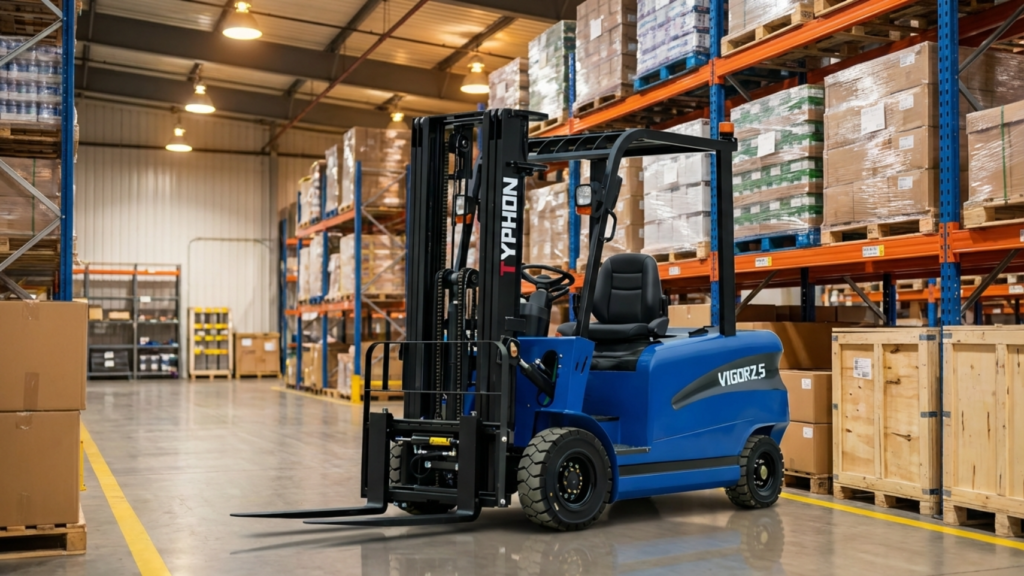
What Is a Forklift?
A forklift is a powered industrial truck designed to lift, move, and transport materials over short distances. It is equipped with two strong metal forks at the front that slide under pallets, boxes, or other heavy loads. The forks lift materials off the ground, allowing them to be moved safely and placed in another location.
Forklifts are commonly used in many industries because they make material handling faster and safer. Instead of relying on manual labor to lift heavy items, operators can use forklifts to complete tasks efficiently with minimal effort.
Common Places Where Forklifts Are Used
Forklifts are widely used across different industries, including:
- Warehouses – Moving pallets, loading trucks, and organizing inventory
- Construction Sites – Transporting building materials such as bricks and steel
- Shipping Ports – Handling cargo containers and goods
- Manufacturing Plants – Moving raw materials and finished products
- Retail Storage Areas – Organizing stock and supplies
Because of their versatility, forklifts have become an essential part of daily industrial operations worldwide.
How Does a Forklift Work?
Forklifts operate using a hydraulic system that raises and lowers the forks smoothly and safely. The hydraulic system uses fluid pressure to generate lifting force. When the operator presses the control lever, hydraulic fluid moves through the system and powers the lifting mechanism.
This system allows forklifts to lift extremely heavy loads that would be impossible to move manually.
Basic Forklift Operation Process
Here is how a forklift typically works:
- The operator drives the forklift toward the load.
- The forks are inserted under the pallet or material.
- The operator activates the hydraulic lever to lift the load.
- The forklift transports the load to the desired location.
- The load is lowered safely into position.
This straightforward process facilitates the swift and secure movement of materials in bustling work environments.
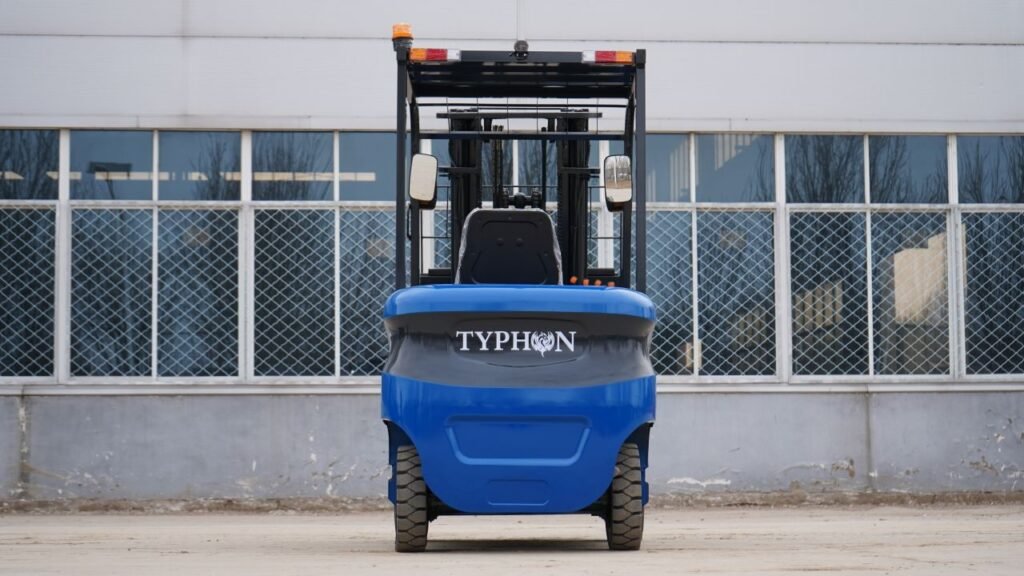
Key Components of a Forklift
Forklifts are made up of several important components that work together to ensure safe and efficient operation.
1. Forks
The forks are the most recognizable part of a forklift. if. They are long, flat metal pieces used to lift and carry loads. Forks are designed to slide under pallets or heavy materials.
2. Mast
The mast is the vertical structure that supports the forks. It allows the forks to move up and down. The mast is strong enough to lift heavy loads to different heights, making it useful for stacking goods on shelves.
3. Hydraulic System
The hydraulic system controls the lifting and lowering movement of the forks. It uses pressurized fluid to create lifting force. This system makes forklift operation smooth and efficient.
4. Counterweight
The counterweight is located at the back of the forklift. It balances the weight of the load being lifted. Without a counterweight, the forklift could tip forward when carrying heavy items.
5. Operator Cabin
The operator cabin is where the driver controls the forklift. It includes steering controls, pedals, and lifting levers. Modern forklifts also include safety features such as seat belts and warning systems.
6. Tires
Forklift tires are specially designed to handle heavy loads and rough surfaces. Different types of tires are used depending on whether the forklift operates indoors or outdoors.
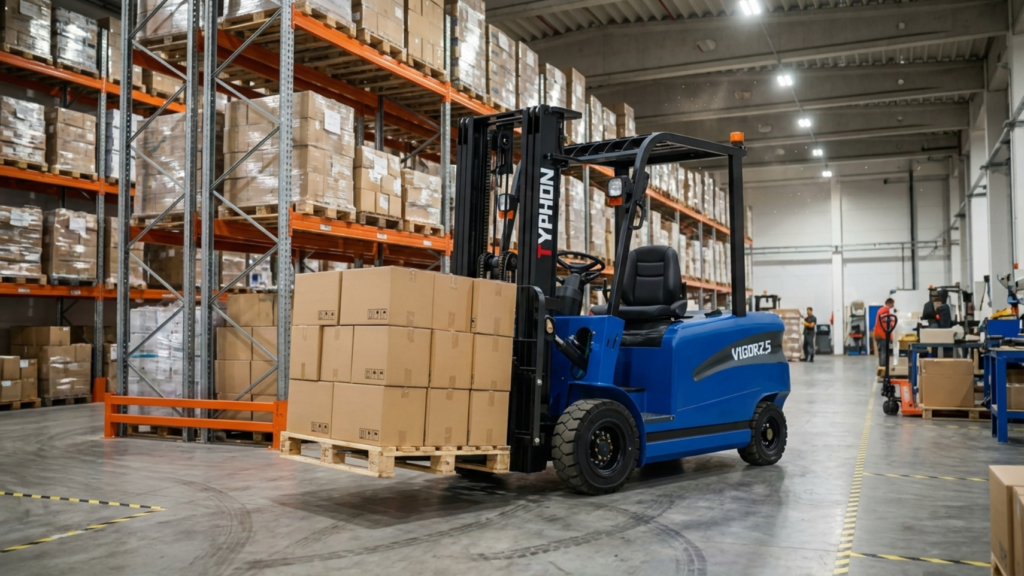
Types of Forklifts
There are several types of forks. Check out our full range of material handling solutions. lifts designed for different tasks and environments. Choosing the right type depends on the nature of the job and working conditions.
1. Counterbalance Forklifts
Counterbalance forklifts are the most common type. They are weighted the back to balance the load at the front. These forklifts are easy to operate and suitable for many general lifting tasks.
2. Reach Trucks
Reach trucks are designed for narrow warehouse aisles. They can extend their forks forward to reach high shelves, making them ideal for storage facilities with limited space.
3. Pallet Jacks
Pallet jacks are smaller forklifts used to move pallets over short distances. They are commonly used in retail stores and small warehouses.
4. Rough Terrain Forklifts
These forklifts are built for outdoor environments such as construction sites. They have large tires and strong suspension systems to handle uneven ground.
5. Electric Forklifts
Electric forklifts run on rechargeable batteries. They are quiet, environmentally friendly, and suitable for indoor operations.
6. Diesel and Gas Forklifts
These forklifts use fuel engines and are commonly used outdoors because they provide strong power and longer operating time.
Benefits of Using Forklifts
Using forklifts provides many advantages for businesses and workers. These machines improve productivity and safety in various industries.
1. Faster Material Handling
Forklifts can move heavy loads much faster than manual labor. This speed helps businesses complete tasks efficiently and meet deadlines.
2. Reduced Physical Labor
Manual lifting can cause injuries and fatigue. Forklifts reduce the need for workers to lift heavy items, making work safer and less physically demanding.
3. Improved Workplace Safety
Modern forklifts include safety features such as warning lights, alarms, and protective cabins. These features help prevent accidents and injuries.
4. Increased Efficiency
Forklifts allow materials to be transported quickly and accurately. This improves workflow and reduces delays in production or delivery.
5. Better Storage Management
Forklifts make it easy to stack goods at different heights. This allows businesses to use storage space more efficiently.
6. Cost Savings
Although forklifts require investment, they reduce labor costs and increase productivity, making them cost-effective in the long term.
Safety Tips for Forklift Operation
Operating a forklift safely is essential to prevent accidents and injuries. Workers should always follow safety guidelines.
Important Safety Practices
- Always wear safety equipment
- Inspect the forklift before use
- Do not overload the forklift
- Drive at safe speeds
- Keep the load stable
- Avoid sharp turns with heavy loads
- Maintain clear visibility while driving
Proper training is also necessary to ensure operators understand how to use forklifts correctly.
Maintenance and Care for Forklifts
Regular maintenance helps forklifts perform efficiently and last longer. Poor maintenance can lead to equipment failure and safety risks.
Routine Maintenance Tasks
- Check hydraulic fluid levels
- Inspect tires for wear and damage
- Test brakes and steering controls
- Lubricate moving parts
- Replace worn components
- Keep the forklift clean
Scheduled servicing ensures forklifts remain reliable and safe for daily use.
Future Trends in Forklift Technology
Forklift technology continues to evolve with new features that improve performance and safety.
Modern Forklift Innovations
- Electric forklifts with longer battery life
- Automation systems for warehouse operations
- Smart sensors for improved safety
- Remote monitoring systems
- Energy-efficient designs
These advancements help businesses improve productivity while reducing environmental impact.
Conclusion
Forklifts are powerful machines designed to handle heavy loads efficiently and safely. They play a vital role in industries such as warehousing, manufacturing, construction, and logistics. By understanding what forklifts are and how they work, businesses can improve operations, enhance safety, and increase productivity.
With proper training, regular maintenance, and the right equipment selection, forklifts can significantly improve material handling processes. As technology continues to advance, forklifts will remain an essential part of modern industry for many years to come.
Comments
Add a Review
Your email address will not be published. Required fields are marked*


ROKA
the machine was great
mine
this is testing
nuna
Sure