
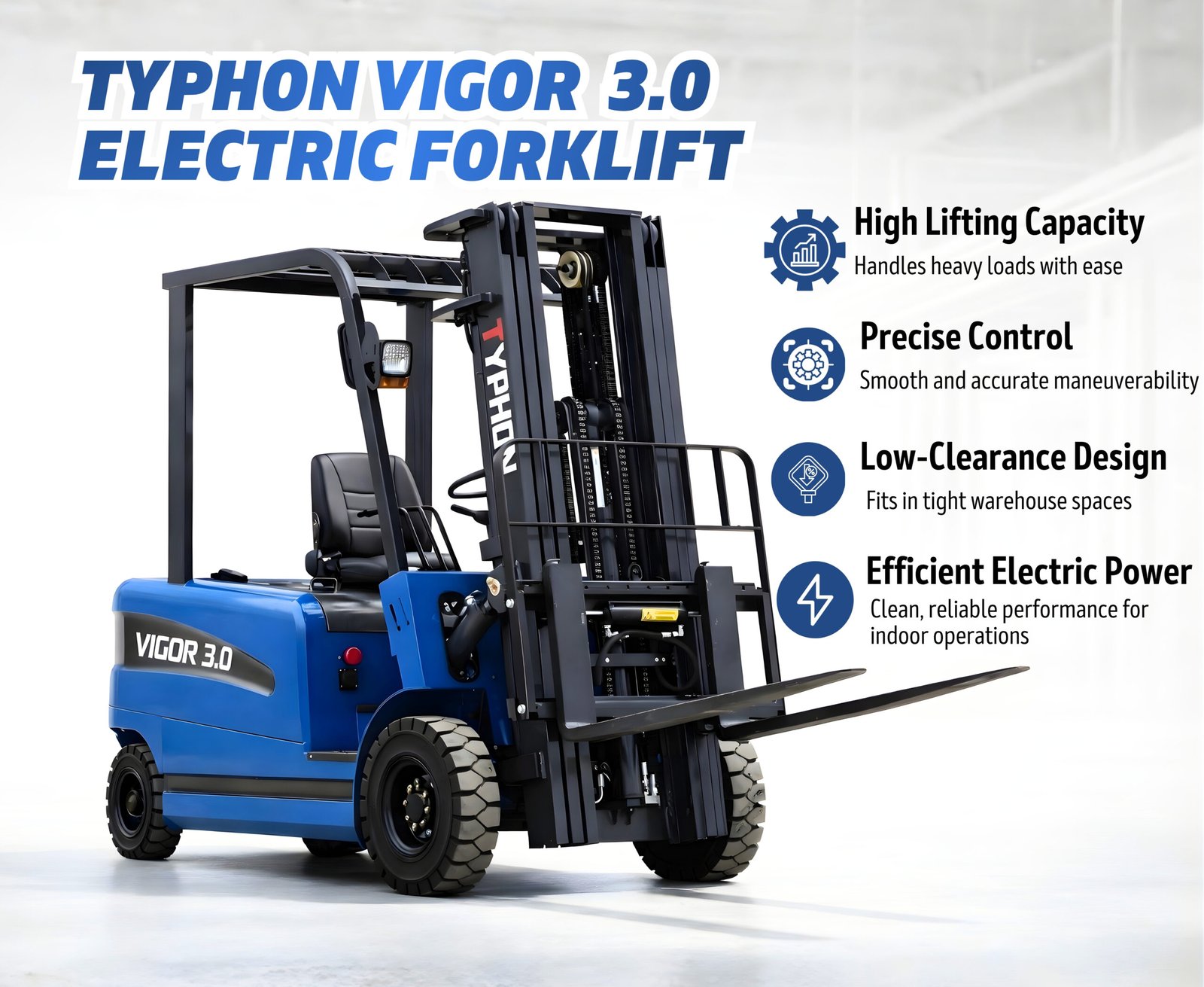
How to Maintain Your Forklift for Long-Term Performance
Regular forklift maintenance is essential to ensure safe operation and extend the lifespan of your equipment. Forklifts are powerful machines that work in demanding environments such as warehouses, construction sites, and manufacturing facilities. Because they handle heavy loads daily, forklifts require proper care and regular inspections to remain reliable and safe.
Without regular maintenance, forklifts can develop mechanical problems that lead to breakdowns, reduced performance, and costly repairs. Equipment downtime can slow operations, delay shipments, and affect overall productivity. Proper maintenance helps prevent these issues and keeps forklifts running efficiently.
In this blog, we will discuss daily, weekly, and monthly forklift maintenance tasks that help improve performance, increase safety, and reduce long-term repair costs. By following these maintenance practices, businesses can ensure that their forklifts remain dependable and efficient for years to come.
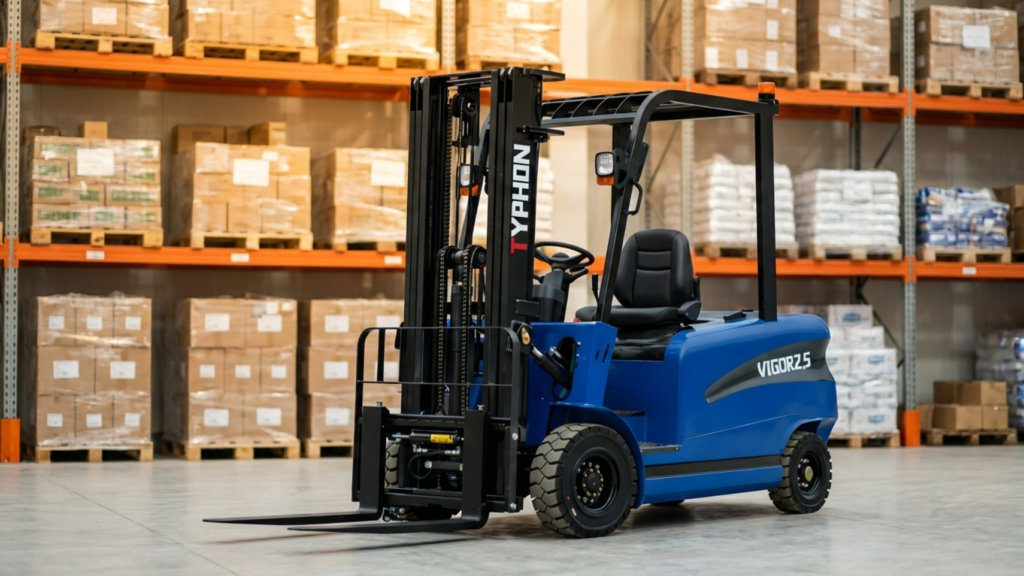
Why Forklift Maintenance Is Important
Forklift maintenance plays a key role in ensuring smooth operations and workplace safety. A well-maintained forklift operates more efficiently, consumes less energy, and lasts longer than poorly maintained equipment.
Benefits of Regular Forklift Maintenance
Maintaining forklifts regularly offers several advantages:
- Improves equipment reliability
- Reduces the risk of sudden breakdowns
- Extends machine lifespan
- Improves workplace safety
- Reduces repair costs
- Maintains consistent performance
- Prevents workplace accidents
Regular maintenance also helps identify small problems before they become serious issues. This preventive approach saves time and money while keeping operations running smoothly.
Daily Maintenance Tasks
Daily maintenance tasks are simple inspections that operators should perform before starting work. These checks ensure the forklift is safe and ready for operation.
Even small daily checks can prevent major mechanical failures.
1. Inspect Forks for Damage
Forks are the main components used to lift materials. Damaged forks can cause loads to fall, creating serious safety risks.
Operators should:
- Look for cracks or bends
- Check for worn fork tips
- Ensure forks are properly aligned
- Confirm forks are securely attached
Damaged forks should be repaired or replaced immediately.
2. Check Hydraulic Fluid Levels
Hydraulic systems power the lifting mechanism of forklifts. Low fluid levels can reduce lifting performance and cause system damage.
Operators should:
- Check fluid levels before starting work
- Look for fluid leaks
- Refill hydraulic fluid if necessary
Maintaining proper hydraulic levels ensures smooth lifting operations.
3. Test Brakes and Steering
Brakes and steering systems are essential for safe forklift operation. Faulty brakes or steering can lead to collisions and accidents.
Operators should:
- Test brakes before moving the forklift
- Ensure steering moves smoothly
- Check for unusual noises
If braking or steering issues are detected, the forklift should not be used until repairs are completed.
4. Look for Leaks
Leaks can indicate serious mechanical problems. Oil, fuel, or hydraulic leaks should be identified and repaired immediately.
Operators should check:
- Under the forklift
- Around hydraulic hoses
- Near engine components
Fixing leaks early prevents equipment damage.
5. Clean Dust and Debris
Dust and debris can accumulate on forklift components and reduce performance.
Cleaning tasks include:
- Removing dirt from moving parts
- Wiping down controls
- Keeping air vents clear
A clean forklift operates more efficiently and lasts longer.
Weekly Maintenance Tasks
Weekly maintenance involves more detailed inspections than daily checks. These tasks help maintain consistent forklift performance.
1. Check Battery Condition
For electric forklifts, battery maintenance is very important. A damaged battery can reduce performance and cause downtime.
Operators should:
- Check battery water levels
- Clean battery terminals
- Ensure proper charging
- Inspect cables for damage
Proper battery care improves energy efficiency and extends battery life.
2. Inspect Tires
Forklift tires support heavy loads and affect stability. Damaged tires can reduce safety and performance.
Operators should check:
- Tire pressure
- Signs of wear
- Cracks or punctures
- Proper alignment
Well-maintained tires improve traction and reduce accidents.
3. Lubricate Moving Parts
Lubrication reduces friction between moving components. Without lubrication, parts can wear out quickly.
Common parts that require lubrication include:
- Chains
- Bearings
- Mast rollers
- Pivot points
Regular lubrication extends equipment life and improves performance.
4. Tighten Loose Bolts
Forklifts operate under heavy loads, which can loosen bolts over time.
Operators should:
- Inspect bolts and nuts
- Tighten loose connections
- Replace missing fasteners
Secure components prevent mechanical failure.
Monthly Maintenance Tasks
Monthly maintenance involves more advanced inspections that may require trained technicians.
1. Check Hydraulic Systems
Hydraulic systems must function properly to lift heavy loads safely.
Monthly checks include:
- Inspecting hydraulic hoses
- Testing hydraulic pressure
- Checking fluid quality
- Replacing worn components
Maintaining hydraulic systems ensures safe lifting operations.
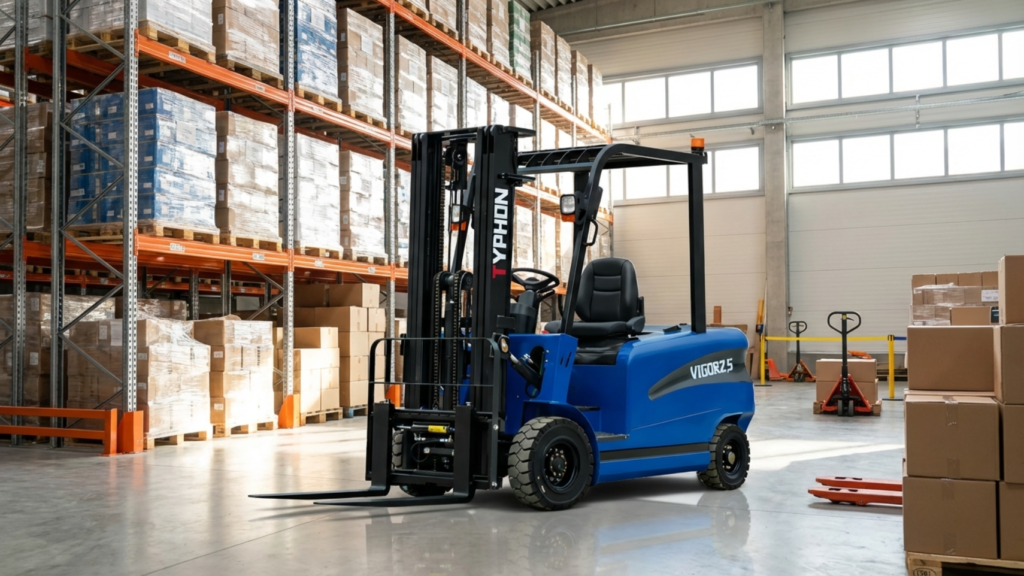
2. Test Lifting Performance
Testing lifting performance helps confirm that the forklift can handle its rated capacity.
Technicians should:
- Test load-lifting capability
- Monitor lifting speed
- Check for unusual noises
- Verify load stability
Performance testing ensures reliable operation.
3. Inspect Safety Components
Forklifts include several safety features that must be inspected regularly.
Safety components include:
- Seat belts
- Warning alarms
- Lights and signals
- Overhead guards
Properly functioning safety components reduce accident risks.
4. Schedule Professional Servicing
Monthly servicing by trained technicians ensures that complex components are properly maintained.
Professional maintenance includes:
- Engine inspection
- Electrical system testing
- Software diagnostics (for modern forklifts)
- Component replacement
Regular servicing helps prevent unexpected breakdowns.
Seasonal Maintenance Considerations
Forklift maintenance requirements may change depending on weather conditions.
Cold Weather Maintenance
During cold seasons:
- Check battery performance
- Use proper hydraulic fluids
- Warm up the forklift before use
- Inspect tire traction
Cold temperatures can affect fluid performance and battery efficiency.
Hot Weather Maintenance
During hot seasons:
- Monitor engine temperature
- Check coolant levels
- Inspect ventilation systems
- Prevent overheating
Proper cooling ensures consistent forklift operation.
Signs Your Forklift Needs Immediate Maintenance
Recognizing warning signs early can prevent serious mechanical problems.
Warning Signs to Watch For
- Unusual noises
- Slow lifting performance
- Difficulty steering
- Fluid leaks
- Excessive vibration
- Reduced battery performance
If these issues occur, maintenance should be performed immediately.
Benefits of Preventive Maintenance
Preventive maintenance focuses on identifying problems before they become serious.
Advantages of Preventive Maintenance
- Reduces repair costs
- Minimizes downtime
- Improves safety
- Extends equipment lifespan
- Maintains consistent productivity
Businesses that follow preventive maintenance programs experience fewer unexpected breakdowns.
Forklift Maintenance Checklist
Using a checklist helps ensure all maintenance tasks are completed regularly.
Basic Maintenance Checklist
Daily Tasks:
- Inspect forks
- Check hydraulic fluid
- Test brakes
- Look for leaks
- Clean equipment
Weekly Tasks:
- Inspect the battery.
- Check tires
- Lubricate parts
- Tighten bolts
Monthly Tasks:
- Inspect hydraulic systems
- Test lifting performance
- Check safety components
- Schedule servicing
Checklists help operators stay organized and maintain consistent equipment care.
Tips for Extending Forklift Lifespan
Proper maintenance combined with good operating habits extends forklift life.
Helpful Tips
- Avoid overloading
- Operate at safe speeds
- Follow manufacturer guidelines
- Store forklifts properly
- Provide operator training
These practices help forklifts perform efficiently for many years.
Regular forklift maintenance is essential for keeping equipment safe, reliable, and efficient. Daily, weekly, and monthly inspections help identify problems early and prevent costly repairs. Investing time in proper maintenance reduces downtime and improves productivity.
By following structured maintenance routines and scheduling professional servicing, businesses can extend the lifespan of their forklifts and maintain smooth operations. Well-maintained forklifts not only improve workplace safety but also support long-term operational success.
Taking care of your forklift today ensures dependable performance in the future.
Comments
Add a Review
Your email address will not be published. Required fields are marked*


Admin
i like this machine
Admin
i love it
Justin Jhon
That’s a great product !