
Role of a Forklift Operator in Modern Warehouse
Forklift Operators in Modern Warehouses
In the dynamic environment of modern warehouses, the need for speed, accuracy, and reliability has never been greater. As industries expand and e-commerce accelerates the pace of business, the pressure on warehouses to deliver goods promptly and without error continues to intensify. Central to meeting these demands is the role of the forklift operator—a professional whose expertise has a direct and profound influence on the efficiency and safety of warehouse operations.
Forklift operators form the operational backbone of every distribution center and fulfillment hub. They are responsible for more than moving pallets; they skillfully manage the flow of goods, minimize downtime, and ensure products are handled with the utmost care from the moment they arrive until they are shipped to customers. Their precise actions protect valuable inventory, reduce the risk of costly damage, and contribute to the seamless functioning of the supply chain.
Most importantly, forklift operators are essential for maintaining a safe workplace. With heavy equipment constantly in motion and staff working in close proximity, a well-trained operator is the first line of defense against accidents and injuries. Their vigilance and commitment to operating within established safety protocols not only safeguard their own well-being but also protect co-workers and company assets.
As warehouses evolve with new technology, tighter deadlines, and more complex workflows, the importance of skilled forklift operators continues to grow. Their unique skills, sharp attention to detail, and unwavering commitment to safety are indispensable in achieving operational excellence and upholding the reliability your customers expect.
Global supply chains rely heavily on precision, speed, and absolute reliability. When consumers order products, they expect on-time delivery without complications. At the very center of this complex logistical network stands the forklift operator.
These professionals do much more than simply drive heavy machinery. They are the primary engine of warehouse productivity. Without skilled operators managing the flow of inventory, distribution centers would quickly grind to a halt. They ensure that materials move safely from receiving docks to storage racks and finally to outbound delivery trucks.
Understanding this role is crucial for facility managers looking to optimize their operations. This comprehensive guide explores the critical responsibilities of forklift operators. We will outline the exact skills required for success, the absolute necessity of rigorous safety training, and how these professionals directly impact your bottom line.
The Backbone of the Supply Chain
To fully appreciate the value of a forklift operator, consider them the essential logistics professionals who serve as the critical link between a manufacturer’s output and the end customer’s experience. Their expertise and reliability support the smooth transfer of goods at every stage of the warehouse process.
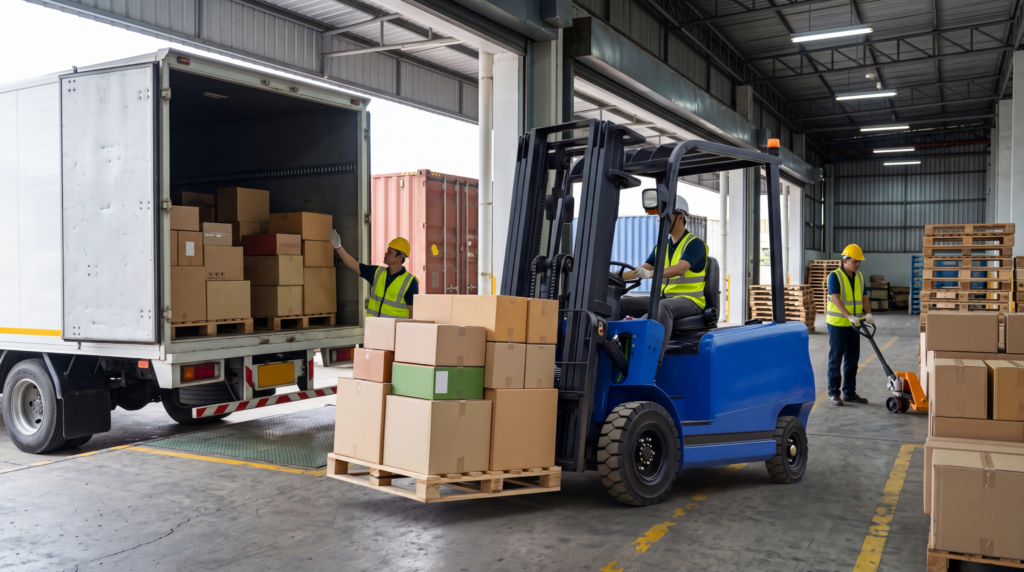
For example, imagine a receiving dock where a truck arrives with mixed loads—some fragile electronics, others bulk containers of raw materials. The forklift operator must quickly assess the cargo, determine the optimal unloading sequence, and select the right attachments to avoid damage. They use precision driving skills to position forklifts in tight spaces, gently retrieving pallets of sensitive goods without jarring or tipping, and then efficiently moving bulk materials to storage without bottlenecks. Their ability to shift seamlessly between these tasks prevents costly product losses and keeps the inbound flow on schedule.
Operators also play a crucial role in inventory management and outbound logistics. When the warehouse is running at peak capacity, with orders for same-day shipping piling up, forklift operators manage the real-time movement of goods from storage racks to the shipping area. Consider a scenario where inventory is stacked in multi-tier racks, and a single misplaced pallet could delay dozens of orders. The operator’s sharp attention to warehouse management system (WMS) instructions, spatial awareness, and understanding of load stability are vital for maintaining accuracy and ensuring that the correct products are pulled and loaded for dispatch.
During periods of high demand, such as seasonal surges or promotional events, operators are tasked with moving significantly increased volumes. This could involve staging hundreds of pallets in specified zones within tight timeframes, requiring flawless coordination and expert load handling. Their steady performance under pressure, ability to adapt to rapidly changing instructions, and adherence to safety protocols ensure there are no bottlenecks in the fulfillment process.
Moreover, their situational awareness and experience help identify early signs of operational inefficiencies or hazards. For instance, they might notice recurring issues with inventory congestion in certain aisles, or spot a shifting load before it becomes a safety risk. By communicating these observations to supervisors, forklift operators help drive continuous process improvements and contribute to a culture of safety and efficiency.
In refrigerated or hazardous materials environments, their specialized training and focus are even more critical. A skilled operator might manage the delicate task of moving temperature-sensitive pharmaceuticals or corrosive chemicals, navigating designated routes and abiding by precise regulatory requirements to avoid contamination or accidents.
These daily scenarios underscore the indispensable nature of forklift operators. Their expertise not only ensures the physical movement of goods but also upholds the company’s standards for reliability, safety, and customer satisfaction at every step in the supply chain.
When a massive shipment of high-value electronics arrives at a facility, the forklift operator is the first person to handle that inventory. Their competence dictates whether that product enters the facility safely or suffers immediate damage. By executing their duties with precision, operators uphold your company’s commitment to delivering pristine products to your customers.
Furthermore, operators act as the eyes and ears of the warehouse floor. They constantly interact with your inventory, racking systems, and operational workflows. This frontline visibility makes them essential partners in identifying logistical bottlenecks and improving overall facility performance.
Critical Responsibilities of a Forklift Operator
A forklift operator’s role extends far beyond merely maneuvering equipment from one point to another. Each workday presents a succession of critical tasks that demand unwavering focus, technical skill, and the ability to respond swiftly to changing priorities.
Operators start their shifts by inspecting their forklifts to verify safety and operational readiness. They scrutinize tires for wear, check hydraulic systems for leaks, test the brakes, and ensure all controls and warning devices function correctly. In many facilities, they are also responsible for logging these checks, which ensures every issue is identified and addressed before operations begin. This diligence sets the standard for site safety and equipment reliability, both of which are vital for maintaining workflow continuity throughout the day.
Once the inspection is complete, the operator’s daily assignments are typically organized by a warehouse management system (WMS). Their first major task is to help receive inbound shipments, a process that may involve working outside in different weather conditions or in busy dock areas with overlapping shifts. Using their expertise, operators guide loaded trailers securely into dock bays, then safely unload pallets—some fragile, some heavy, and often stacked high. They must analyze each load’s specific requirements; for instance, handling a pallet of glassware requires gentler movements and a steady pace, compared to unloading bulk hardware.
Throughout the day, the pace remains relentless. Operators transport items from receiving to designated storage areas, often navigating narrow aisles, sharp corners, and moving past coworkers or other machinery. Precision is critical. Drivers must align their forks perfectly when entering or exiting tightly packed pallet slots, adjusting the mast angle and fork elevation to avoid racking or product damage. The margin for error is razor-thin, especially when stacking pallets in multi-level racks, and a minor misjudgment can have expensive consequences.
Handling inventory also means working with a wide variety of load types—large or odd-shaped packages, chemical drums, high-value electronics, perishables, or even hazardous materials. Operators must quickly assess how to stabilize different loads, use clamps or other specialized attachments as needed, and adapt to frequent changes in order priorities or storage configurations. This often requires switching between several forklift types or attachments throughout a single shift, underscoring the need for a comprehensive understanding of every tool at their disposal.
A crucial dimension of the role is order fulfillment. When the WMS releases pick tickets for outbound shipments, forklift operators must rapidly retrieve specific SKUs from racking systems. Their ability to memorize the warehouse layout, interpret location codes, and select the fastest, safest routes greatly impacts the facility’s ability to meet shipping deadlines. They frequently work with team members such as pickers, packers, and shipping clerks, relying on clear communication and real-time problem-solving to coordinate efforts and overcome challenges.
Additionally, the job is often physically and mentally demanding. Operators may spend extended hours in the driver’s seat, requiring strong concentration and a commitment to ergonomic practices to prevent fatigue or repetitive strain injuries. They’re also responsible for maintaining a strict focus on safety at all times, watching for sudden pedestrian movement, obstructed sightlines, or unexpected changes in loading dock schedules that can introduce hazards.
Forklift operators are also keen process improvers. When they spot inefficiencies—such as routinely blocked aisles, recurring congestion at specific loading bays, or confusion over storage zones—they report them promptly, often suggesting actionable improvements. Their proactive approach helps optimize warehouse layout, minimize downtime, and support the facility’s ongoing commitment to operational excellence and customer satisfaction.
In summary, the critical responsibilities of a forklift operator encompass a diverse and challenging set of daily tasks. Each task—from pre-shift inspections and multi-tasking inbound logistics to navigating congested aisles and collaborating on time-sensitive shipping—requires not just skill and experience but also constant vigilance, adaptability, and a customer-focused mindset. Their dedication and professionalism form the cornerstone of every successful warehouse operation, ensuring that goods flow efficiently through the supply chain and reach customers safely, accurately, and on time.
Managing Freight Loading and Unloading
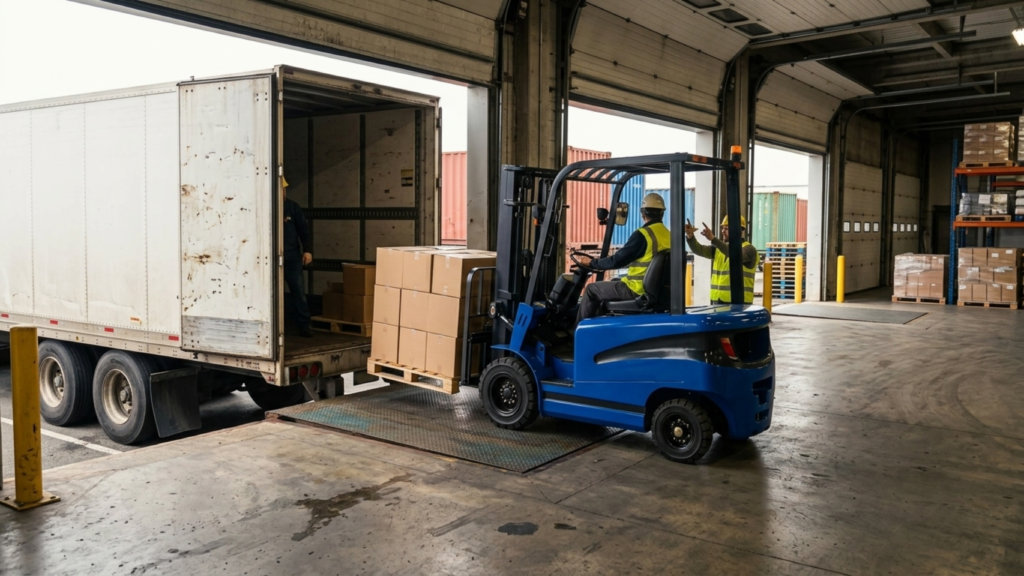
The receiving and shipping docks represent the busiest zones in any distribution center. Operators bear the responsibility of loading and unloading commercial trailers safely and efficiently.
They must inspect incoming loads to ensure materials did not shift dangerously during transit. When unloading, they carefully extract pallets and transport them to staging areas for quality control inspections. During outbound operations, operators must load trailers strategically. They distribute weight evenly across the vehicle’s axles to comply with strict transportation safety regulations.
Executing Inventory Storage and Retrieval
Once freight passes receiving inspections, operators move the materials into their designated storage locations. This often involves lifting heavy pallets high into complex, multi-tiered racking systems.
Operators must interpret warehouse management system (WMS) directives to place inventory in the exact correct slot. Placing a pallet in the wrong location leads to lost inventory and severe shipping delays. Later, when orders drop into the system, operators retrieve these specific pallets and transport them to the packing lines. They must execute this retrieval quickly to ensure your facility meets strict outbound shipping deadlines.
Conducting Routine Equipment Maintenance
A reliable forklift operator treats their machinery with the utmost respect. They understand that a broken forklift brings their productivity to an immediate halt.
Before starting any shift, operators perform comprehensive visual and mechanical inspections of their vehicles. They check hydraulic fluid levels, inspect mast chains for proper tension, and examine tires for dangerous wear. If they drive an electric forklift, they manage battery charging and watering protocols carefully. By identifying minor mechanical issues early, operators prevent catastrophic equipment failures and save your business from expensive repair bills.
Core Skills Required for Success
Operating a forklift in a modern warehouse demands a unique blend of technical knowledge, physical coordination, strong judgment, and the ability to adapt quickly to changing environments. Successful operators excel in a range of core skills that directly influence safety, productivity, and the smooth flow of the supply chain. Let’s examine each of these essential competencies in depth and see how they come into play throughout a typical workday.
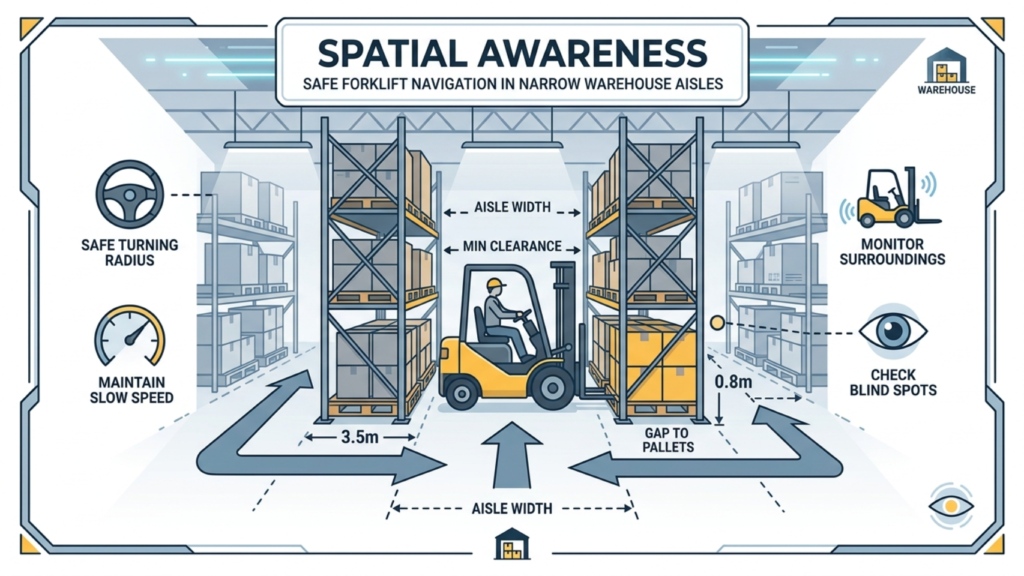
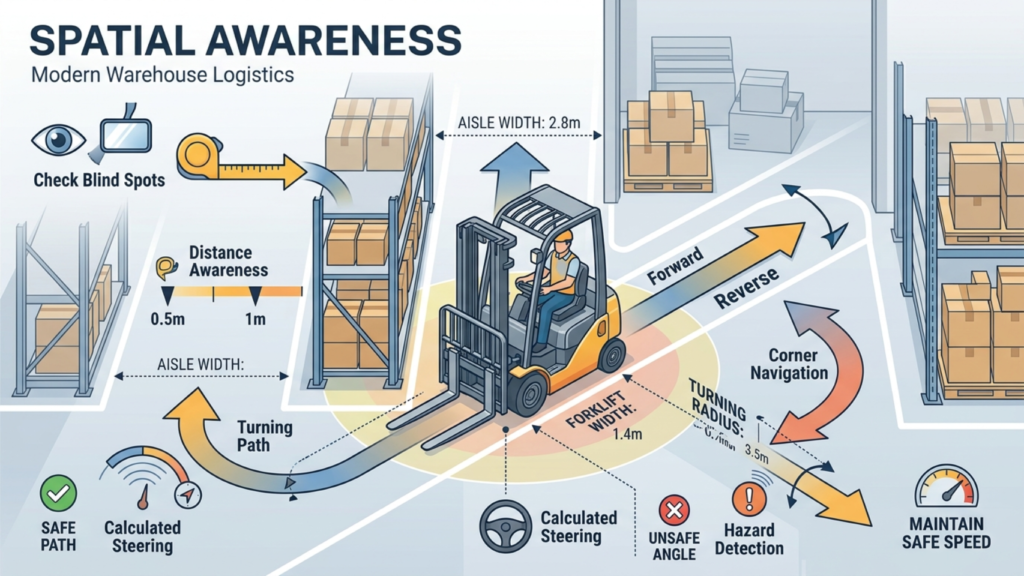
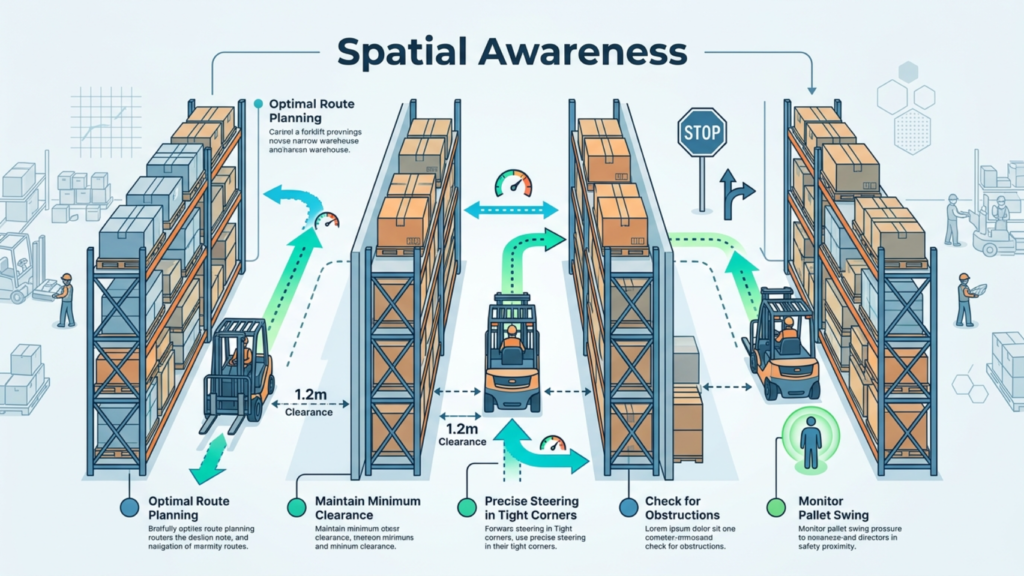
First and foremost, spatial awareness and hand-eye coordination are foundational. A skilled forklift operator manages multi-ton machines within inches of high-value inventory, racking, and other moving equipment. For example, when maneuvering down a congested aisle during peak fulfillment hours, an expert operator can reverse, pivot, and load with precision—knowing exactly how much space their forks, mast, and counterbalance need to clear nearby obstacles. When stacking pallets five or six levels high, their ability to judge distance and angle prevents racks from being nudged or product from being crushed. The spatial challenges intensify in cross-dock operations, cold storage environments (where visibility is often reduced by fog or frost), and when transitioning loads through narrow doorways or elevators.
Problem-solving and adaptability are equally important. No two shipments are the same and warehouse conditions can change rapidly—one moment the operator is unloading uniform containers, the next they’re tasked with transporting oversized or irregularly shaped goods that demand a switch in equipment or the use of special attachments. For instance, moving a drum of chemicals safely might require the operator to attach a drum clamp rather than standard forks. During busy seasons or unexpected volume surges, they may need to adjust plans on the fly, re-route their path to avoid a blocked aisle, or quickly assess the safest way to extract a damaged pallet without disrupting adjacent inventory. This flexibility ensures warehouse targets are still met even when schedules or layouts shift.
A deep understanding of technical systems and mechanical aptitude is vital in today’s technologically advanced facilities. Operators interact with sophisticated warehouse management systems (WMS), utilize digital scanners to track inventory, and sometimes work alongside automated guided vehicles (AGVs) or robotics. Those with strong tech skills can quickly adapt to new equipment or software updates and troubleshoot on the spot when discrepancies arise. For example, if an inventory scan does not match the physical load, a knowledgeable operator can double-check barcodes, identify the source of the discrepancy, and resolve the issue before it propagates through the supply chain.
Situational awareness and communication are at the forefront of every safe and efficient forklift operation. On any given shift, operators often share floorspace with fellow drivers, order pickers, maintenance teams, and even external contractors. They use established radio protocols, hand signals, horns, and clear verbal commands to announce their intentions and coordinate with others to prevent collisions or workflow interruptions. Picture a scenario where multiple operators need to access a crowded staging area—clear, respectful communication keeps the process moving smoothly and without incident.
Physical stamina and attention to ergonomic best practices are also essential. Operators may spend eight to ten hours a day on a forklift, often performing repetitive movements, turning their bodies to check blind spots, and managing platforms in hot, cold, or noisy environments. The best operators take proactive steps to minimize fatigue and avoid musculoskeletal injuries, such as adjusting seat positions, taking regular breaks, and following proper lifting techniques when coupling or switching attachments.
Critical thinking and responsibility underpin all their actions. If an operator senses unusual resistance while lifting a pallet or detects a slight hydraulic leak during a pre-shift inspection, they do not ignore it. Instead, they act immediately—either correcting the issue if they are trained to do so or reporting it to maintenance. This vigilance safeguards both their own well-being and that of everyone in the warehouse.
Finally, customer focus and professionalism elevate the performance of top-tier operators. They recognize that every movement they make contributes to delivering goods on time and in perfect condition. Whether working the night shift to process urgent orders or taking extra care with fragile shipments destined for a valued client, they maintain a meticulous standard of service.
Together, these core skills ensure that forklift operators do far more than move product from point A to B—they serve as trusted stewards of your materials, ambassadors for your brand’s reliability, and essential contributors to a safe, efficient, and customer-focused warehouse operation.
Exceptional Spatial Awareness
Warehouse aisles offer very little margin for error. Operators must maneuver vehicles weighing thousands of pounds through narrow corridors lined with expensive inventory and fragile steel racking.
This requires elite spatial awareness. Operators must constantly calculate their turning radius, monitor their mast height, and track their load’s center of gravity. They must judge distances perfectly to slide heavy steel forks into wooden pallets without splintering the wood or damaging the product resting on top.
Technical Adaptability
The modern warehouse relies heavily on advanced digital technology. Forklift operators no longer rely on paper manifests to locate inventory.
Today, operators interact with complex warehouse management systems. They use vehicle-mounted computers, handheld barcode scanners, and voice-directed picking headsets. A successful operator must adapt quickly to these technologies. They must read digital schematics accurately and input data flawlessly to maintain real-time inventory accuracy across your entire supply chain.
Clear and Decisive Communication
A bustling warehouse floor features a constant flow of heavy machinery and pedestrian traffic. Operating safely in this environment requires strong communication skills.
Operators must communicate their movements clearly using horns, hand signals, and verbal warnings. They must coordinate with dock workers, truck drivers, and facility managers to sequence their loading tasks efficiently. Clear communication prevents dangerous collisions and ensures the entire warehouse team works together in perfect synchronization.
Driving Warehouse Efficiency and Productivity
Your warehouse operations demand continuous, uninterrupted material flow. Skilled forklift operators are the driving force behind this flow, leveraging best practices, situational awareness, and advanced techniques to optimize efficiency at every step.
A seasoned forklift operator approaches every task with a commitment to both speed and precision. For example, when retrieving or storing pallets, they accurately gauge fork heights and entry angles to minimize adjustments and avoid racking damage—a practice known as “first-pass placement.” This technique eliminates time lost to repeated attempts and keeps aisles clear for other workers.
Operators often utilize “double stacking” strategies in high-density warehouses, safely moving two pallets in a single trip when floor space and load capacities allow. This method, executed only by skilled professionals familiar with their machine’s specifications, drastically reduces travel time across the warehouse and boosts throughput.
Route optimization is another hallmark of efficient operators. Instead of handling one task at a time, top performers plan their returns—carrying outbound goods toward staging while picking up incoming materials on the way back. By consolidating movements, they not only save fuel and equipment wear but also keep overall workflow fluid, ensuring rush orders and priority shipments are never delayed.
Experienced operators are also quick to adapt to live changes. If a high-priority inbound trailer unexpectedly arrives, they will reprioritize their task sequence in alignment with supervisors, minimizing bottlenecks and expediting urgent loads to the correct zone.
Another core strategy involves maintaining visual management—operators keep their work area organized by spacing out staging pallets for easy access and arranging empty pallets neatly after use. This proactive housekeeping prevents pileups in staging zones and improves cycle times for the entire receiving and shipping process.
Furthermore, advanced operators leverage technological tools such as real-time WMS updates, RF scanners, and digital pick lists to reduce errors and check inventory status instantly. By syncing their movements with these platforms, they help maintain real-time inventory accuracy, which directly supports order fulfillment speed and reliability.
Finally, skilled operators actively support team productivity by communicating changing conditions—such as reporting a congested aisle, a malfunctioning lift, or a hazard that could disrupt the workflow. Their ability to anticipate issues, act swiftly, and coordinate with fellow staff ensures the warehouse can pivot and maintain performance standards through any challenge.
In these ways, forklift operators prove themselves as much more than vehicle drivers—they are efficiency experts, workflow strategists, and pivotal contributors to sustained productivity.
Minimizing Operational Downtime
When an operator possesses deep experience, they move with a profound sense of purpose. They do not waste time second-guessing their routes or struggling to align their forks with a pallet.
Experienced operators know the facility layout intuitively. They utilize the most direct paths between the receiving dock and the storage racks. This streamlined movement reduces the time it takes to process each pallet. By shaving seconds off every transaction, operators massively increase your facility’s daily throughput capabilities.
Reducing Costly Material Damage
Damaged inventory drains your profit margins rapidly. Dropping a pallet of expensive consumer goods costs your business money, time, and customer trust.
Highly trained operators understand how to handle diverse materials properly. They know when to drive in reverse to maintain visibility while carrying a bulky load. They understand how to tilt the mast securely to stabilize heavy freight during transit. Their deliberate, careful handling techniques protect your inventory, ensuring your products reach your customers in flawless condition.
The Absolute Priority of Safety and Training
Safety is the absolute foundation of successful warehouse operations, serving as the cornerstone for every reliable, high-performing facility. Forklifts are powerful and essential tools, but, if not managed with complete respect for safety protocols, they can quickly become sources of serious risk within the workplace. Responsible organizations recognize that accident prevention is not merely a checkbox for compliance—it is an operational imperative that safeguards employees, protects inventory, and ensures business continuity.
Comprehensive safety begins before an operator ever starts the engine. Rigorous pre-shift inspections are non-negotiable: operators must check tire pressure and condition, verify fluid levels, test all lights and audible alarms, and ensure that all controls respond as intended. Any issues must be addressed immediately, and equipment should be removed from service until repairs are confirmed. These daily checks are standard protocol, helping to identify potential hazards before they can escalate into dangerous malfunctions on the warehouse floor.
When operating, adherence to traffic management systems is essential. Clearly marked pedestrian walkways, designated forklift lanes, and posted speed limits form the baseline for safe navigation. Operators must use horns at all blind intersections, stop at crossing points, and always have a clear line of sight before entering busy zones. In heavily trafficked areas—like loading docks and staging zones—operators should minimize speed, keep loads low to the ground for maximum visibility, and maintain safe following distances to allow time for controlled stops. Using seat belts at all times is mandatory, preventing ejection during a potential tip-over. Furthermore, when parking, operators should ensure the forklift is turned off, forks are lowered to the ground, and parking brakes are engaged before exiting the vehicle.
Load handling demands another set of strict practices. Operators must verify that loads are within the forklift’s derated capacity—taking into account the added weight and altered center of gravity from any attachments. They should check that loads are stable and centered on the forks, never allowing items to extend too far beyond the fork tips. It’s vital to tilt the mast back slightly when traveling, especially with tall or top-heavy items, and to avoid sudden starts, stops, or turns that could cause loads to shift or fall.
Training programs, therefore, go far beyond initial certification. Robust onboarding for new operators covers the fundamentals: equipment controls, hazard recognition, proper use of attachments, and standard safety procedures. Yet, the most effective organizations invest in ongoing training and refresher courses as part of their safety culture. This continual education keeps operators updated on new protocols, equipment upgrades, regulatory changes, and lessons learned from safety audits or incident investigations.
Hands-on training is an essential component, allowing operators to apply classroom knowledge in real scenarios under supervision. These practical sessions might involve navigating simulated warehouse layouts, performing tricky maneuvers around obstacles, and practicing emergency procedures—such as safely stopping a forklift if a pedestrian suddenly appears or responding to a hydraulic leak.
Advanced training modules often include instruction on specialized environments, such as cold storage, flammable materials areas, or multi-truck loading docks, where unique hazards exist. Operators learn to recognize environmental cues such as temperature-related condensation, changing floor traction, or the need to adjust handling for hazardous substances. Annual or semi-annual evaluations, in which operators demonstrate their skills and knowledge to a trainer or safety officer, are strongly recommended.
Safety is also reinforced by a proactive reporting culture. Every employee, not just operators, must be empowered to speak up about unsafe conditions or near-miss incidents. Regular toolbox talks, safety briefings, and walk-through inspections with supervisors create ongoing opportunities for feedback and continuous improvement.
Ultimately, investing in safety and training is an investment in people, performance, and reputation. By holding to the highest standards, organizations not only reduce the risk of costly incidents but also demonstrate a steadfast commitment to workforce well-being and operational reliability. This commitment fosters trust among employees and assures customers that their goods are handled by a team who puts safety and excellence at the forefront of every task.
Navigating High-Traffic Zones safely
Operators constantly share their workspace with ground personnel, order pickers, and other heavy equipment. They must maintain a state of hyper-vigilance at all times.
Strict safety rules dictate that operators must yield the right-of-way to all pedestrians. They must sound their horns at blind intersections and cross aisles slowly. Furthermore, they must constantly monitor their speed, especially when carrying heavy loads that drastically alter the vehicle’s braking distance. Adhering strictly to these traffic rules prevents tragic workplace accidents and protects your most valuable asset: your employees.
The Importance of Continuous Certification
You cannot allow uncertified personnel to operate heavy machinery. Federal occupational safety regulations require comprehensive training and evaluation for all forklift operators.
However, basic certification is only the starting point. The best warehouse managers invest in continuous education for their operators. When you introduce new forklift attachments or reconfigure your racking layout, your operators require updated training. Regular safety audits and refresher courses ensure your team never develops complacent habits. This rigorous approach to training builds a culture of absolute safety and professional accountability.
Optimize Your Operations Through Your Operators
The success of your distribution center relies directly on the competence and dedication of your forklift operators. These individuals are not just machine operators—they stand at the heart of your logistics, acting as the dynamic link between warehouse systems and tangible output. When empowered and supported effectively, their contribution ripples across the entire supply chain, yielding gains in speed, accuracy, reliability, and cost control.
Optimizing your warehouse operations through skilled forklift operators begins by creating an environment where their expertise is fully leveraged and their engagement remains high. Start by ensuring that equipment is always in top condition—regular, proactive maintenance reduces downtime and enables operators to perform at their best without unexpected interruptions. Offer access to both modern forklift models and a diverse range of attachments, matching the right tool to each unique task, so operators can move goods quickly and appropriately, preventing damage and reducing manual labor.
Comprehensive and ongoing training is another cornerstone of operational optimization. Go beyond the minimum by providing advanced certification opportunities, cross-training on new attachments or technologies, and simulations of complex or high-pressure scenarios. Encourage operators to share insights and participate in safety committees—making them partners in decision-making rather than just end-users. When operators feel valued and involved, they are more likely to identify inefficiencies, proactively solve problems, and uphold safe practices.
Integrating operators with digital warehouse management systems also drives efficiency. Equip them with mobile devices or vehicle-mounted terminals that provide real-time inventory data, updated task lists, and instant alerts for priority shipments or workflow changes. This visibility empowers operators to adapt swiftly, align with shifting priorities, and minimize wasted movement.
Regular communication between managers and operators fosters a feedback loop where challenges are addressed promptly and process improvements are implemented consistently. Recognize high performers and incentivize adherence to productivity and safety benchmarks. Establish mentorship programs where veteran operators guide new hires, accelerating skill acquisition and fostering a culture built on knowledge sharing and mutual respect.
Ultimately, investing in your forklift operators—through superior tools, advanced training, two-way communication, and a genuine commitment to their professional development—gives your operation a sustainable competitive advantage. Strong operator support tightens every link in your supply chain, ensuring goods move from dock to door as efficiently and reliably as possible, while maintaining the company’s reputation for safety, quality, and customer satisfaction.
By understanding the complexity of their role, you can better support their daily efforts. Provide your operators with well-maintained equipment, invest heavily in their continuous safety training, and integrate them into your workflow planning. When you empower your forklift operators to succeed, you build a safer, faster, and highly reliable supply chain that consistently delivers excellence to your customers. Evaluate your current training programs today to ensure your team possesses the tools and knowledge required to dominate modern logistical challenges.


